
SF6 Leak Detection and Repair
Identify and eliminate costly SF6 leaks. We use advanced detection equipment to pinpoint SF6 leaks in high-voltage equipment and perform durable repairs that address the root cause. Our work minimizes environmental impact and helps you avoid potential fines for non-compliance with EPA reporting requirements.
- Nationwide
- Service coverage
- ~50k
- Miles/year field travel
- EPA
- Compliant documentation and reporting
- Certified
- Repair technicians
SF6 Leaks Are Costly, Regulated, and Often Invisible
Sulfur hexafluoride (SF6) is widely used as an insulating and arc-quenching gas in high-voltage equipment, including gas-insulated switchgear, circuit breakers, and transformers. While it performs well in these applications, SF6 has an extremely high global warming potential, and the EPA requires facilities to report SF6 emissions.
Slow leaks can take months to show on a pressure gauge or trigger an alarm. During that time, insulation performance degrades, gas replacement costs add up, and your facility may fall out of compliance without knowing it.
Environmental Regulations
SF6 has a high global warming potential. EPA reporting requirements apply, and non-compliance can result in fines.
Unplanned Outages
Regular SF6 testing and leak detection can catch issues early and help reduce outage time for end users.
Rising Operational Costs
SF6 gas is expensive to replace. Undetected leaks compound over time, steadily increasing your operating expenses.
Annual leak inspections and gas testing are recommended at a minimum to identify issues early and help prevent unplanned outages.
Detection Through Verification
Our certified technicians follow rigorous procedures to locate leaks, quantify leak rates, perform durable repairs, and provide comprehensive documentation for your compliance records.
-
Leak Detection
We deploy high-sensitivity infrared cameras and portable gas detectors to pinpoint SF6 leaks with precision. These tools identify leaks that may not yet be visible on pressure gauges or alarm systems, including slow leaks on manifolds, valves, and O-ring seals.
-
Leak Rate Quantification
Once a leak is identified, we use rigorous procedures to quantify the leak rate. This data informs the repair approach and provides the measurements needed for EPA reporting and compliance documentation.
-
Root Cause Repair
Our technicians perform durable repairs that address the root cause of the leak. Whether the issue is a damaged O-ring, a worn seal, or a compromised manifold connection, we fix the source of the problem to prevent recurrence.
-
Post-Repair Verification
Every repair includes post-repair verification testing to confirm the leak has been fully resolved. We provide comprehensive reports documenting the detection findings, repair actions taken, and verification results for your records.
Real-World SF6 Leak Scenarios
SF6 leaks vary in complexity and location. Here are examples of the types of issues our field teams regularly identify and resolve.
Manifold O-Ring Failure
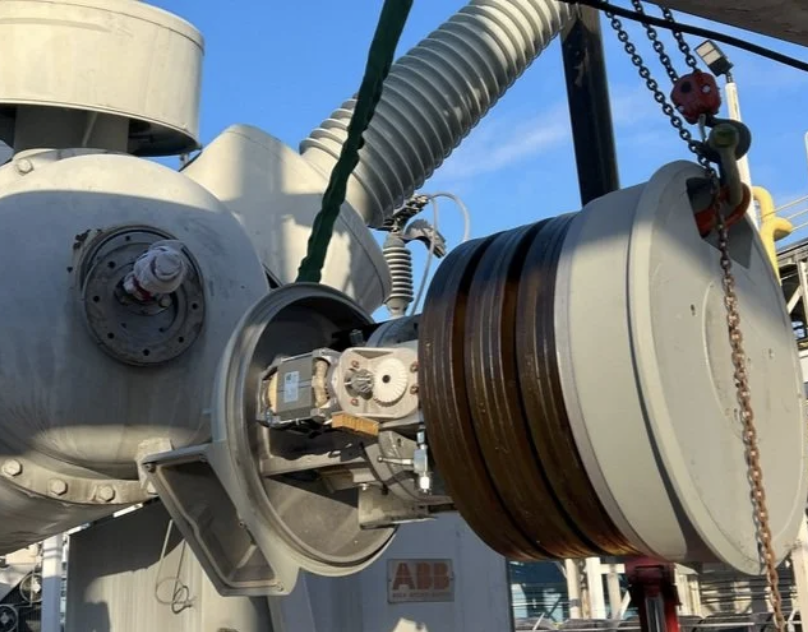
During a service call in Texas, our team identified a leak on the main SF6 manifold caused by a small cut in the O-ring. The damaged seal was replaced and the repair was verified before returning the equipment to service.
Undetected Slow Leak
A leak was identified during a routine SF6 inspection that was previously unknown to the customer. Slow leaks like this can take months to show on a pressure gauge or trigger an alarm, which is why routine inspections are critical for catching issues early.
SF6 Leak Detection FAQ
Don’t see your question? Call (833) 723-2723 and talk to a technician.
How often should SF6 leak inspections be performed?
At a minimum, annual leak inspections and gas testing are recommended to identify issues early and help prevent unplanned outages. Slow leaks can take months to show on a pressure gauge or trigger an alarm, so routine inspections catch problems that monitoring equipment may miss.
Why is SF6 leak detection important for substations?
SF6 has an extremely high global warming potential, and the EPA requires reporting of SF6 emissions. Undetected leaks degrade insulation performance in gas-insulated equipment, increase operational costs from gas replacement, and can result in fines for non-compliance with environmental regulations.
What detection methods are used for SF6 leaks?
We use high-sensitivity infrared cameras and portable gas detectors to pinpoint SF6 leaks with precision. These tools allow technicians to identify leaks that may not yet be visible on pressure gauges or alarm systems, including slow leaks on manifolds, valves, and O-ring seals.
Do you provide SF6 leak repair services?
Yes. After identifying the source of a leak, certified technicians perform durable repairs that address the root cause. Every repair includes post-repair verification testing and comprehensive documentation for EPA compliance records.
Do you provide SF6 gas recovery and recycling?
Yes. Our SF6 gas services cover recovery, recycling, gas sales and the compliance documentation EPA reporting requires, alongside leak detection and repair, so one crew can find a leak, handle the gas and document both.
What areas does Substation Solutions serve?
Substation Solutions provides SF6 leak detection and repair services nationwide from bases in Woodland, California and Conner, Montana. The team travels approximately 50,000 miles per year to serve clients across the continental United States.
Schedule an SF6 Leak Inspection
Whether you need a routine annual inspection or suspect a leak in your gas-insulated equipment, our certified technicians are ready to deploy nationwide.