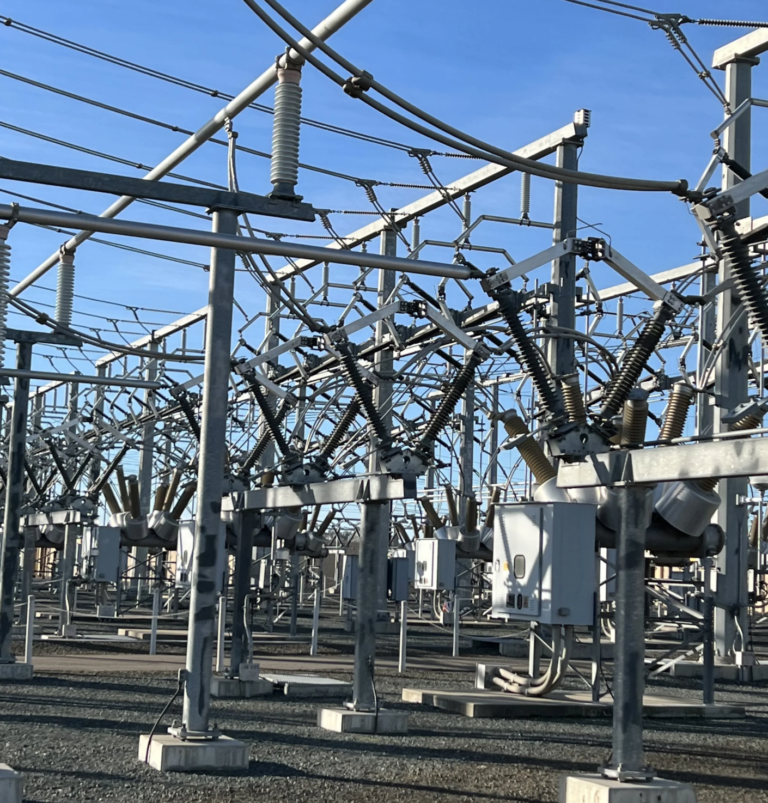
A substation inspection checklist should cover six areas: visual and structural condition, infrared scans of current-carrying connections, circuit breaker and SF6 gas health, transformer condition, protection and DC systems, and grounding and containment. Most owners walk down monthly or quarterly, scan with an infrared camera at least annually, and schedule electrical testing by equipment condition and criticality. The goal is not a completed form. It is a ranked list of findings that tells you what to fix now, what to trend, and what can wait. With large power transformer lead times stretching toward four years, catching a defect early is the cheapest way to protect the assets you already own.
Why Inspection Quality Matters More Than Ever
Replacement is no longer a quick fix. A May 2026 pv magazine report put lead times for high-capacity power transformers at up to four years and prices up roughly 80% over five years. Citing Wood Mackenzie data, it noted that substation transformer demand rose 116% between 2019 and 2025, and generator step-up transformer demand rose 274%, driven in part by data centers. The same report notes that some buyers are refurbishing older equipment to bridge supply gaps. Every inspection finding that extends the life of an installed asset is now worth more than it was five years ago.
A common pattern in failure investigations is that the warning signs were already in earlier inspection data that nobody ranked or trended. Our founder, Brad Webb, brings nearly two decades of utility and substation experience, including work as an Electric Standards & Work Methods Specialist at PG&E, and the lesson that carries over is simple. A checklist is only as good as the decision rules attached to it.
The Six-Part Substation Inspection Checklist
We work across the 12 kV through 500 kV range, and the structure below holds at every voltage class. Adjust the detail to your equipment, not the categories.
- Visual and structural walk-down: look for oil weeps at gaskets and bushings, cracked or contaminated porcelain, corrosion, damaged fencing and signage, vegetation, animal intrusion, and open or broken ground connections. Record oil level and temperature gauge readings every visit so you can trend them.
- Infrared scan: use a long-wave camera sensitive in the roughly 8 to 14 micron band, under as much load as practical, and image every bolted connection, switch blade, bushing terminal, and breaker pole. Always capture a visible-light photo and the load at the time of the scan.
- Circuit breakers and SF6 gas: compare gas density or pressure readings to the nameplate alarm and lockout values (these vary by manufacturer and rating), check mechanism heaters, operation counters, and control cabinet condition, and look for leaks at flanges, valves, and gauge fittings.
- Transformers and reactors: check oil level, winding and top-oil temperature, load tap changer counters, bushing condition, cooling fans and pumps, pressure relief devices, and sudden changes in gauge trends. Pair visual checks with a dissolved gas analysis sample on a defined cycle.
- Protection, control, and DC systems: confirm relay targets and alarms are clear, test battery and charger readings against your maintenance records, and verify that panel heaters and wiring are intact.
- Grounding and containment: inspect visible ground grid connections, equipment ground leads, fence bonding, and oil containment for damage or standing water.
How Often Should You Inspect?
No single interval fits every owner, so build the schedule from criticality and condition. These are common reference points:
- Visual walk-downs: monthly to quarterly is common utility practice, with extra visits after storms, faults, or switching events.
- Infrared scans: since its 2023 edition, NFPA 70B has been a standard rather than a recommended practice, calling for infrared inspection of covered electrical equipment at least every 12 months, and every six months for equipment in Condition 3, its worst-condition rating. The 2026 edition is now current. NFPA 70B is aimed at facility electrical systems, so utility substations typically follow NERC requirements and their own maintenance programs. In the WECC region, for example, FAC-501-WECC-1 requires owners of major transfer path facilities to keep a documented maintenance and inspection plan covering circuit breakers and transformers, and to follow the intervals that plan sets.
- Oil and gas sampling: annual transformer oil sampling is a common baseline, with IEEE C57.104 (2019) guiding how to interpret dissolved gas results and how often to resample when gas levels rise.
- Breaker maintenance: base the cycle on operations count, time, and condition rather than calendar alone, as covered in our guide to breaker maintenance intervals.
How to Read What You Find
Inspection data only helps if every finding maps to an action. For infrared results, the ANSI/NETA MTS guideline table is a widely used starting point when manufacturer limits are not available. Between similar components under similar load, a rise of 1 to 3 degrees C is a possible deficiency that warrants investigation, 4 to 15 degrees C indicates a probable deficiency to repair as time permits, and above 15 degrees C is a major discrepancy to repair immediately. Measured against ambient air, the same guideline uses 1 to 10 degrees C, 11 to 20 degrees C, 21 to 40 degrees C, and above 40 degrees C. Treat these as guidelines, not pass or fail limits, because equipment ratings and load matter.
For gas and oil findings, trend matters more than any single reading. A slowly falling SF6 density that crosses an alarm in the cold season, or a dissolved gas result that rises between samples, deserves a follow-up even if it is still inside a limit. Targeted SF6 leak detection and SF6 leak imaging turn a gauge trend into a located leak, and state rules raise the stakes: New York’s Part 495 sets a 1% systemwide emissions limit on a three-year rolling average beginning in 2030, and Massachusetts requires a maximum annual leak rate of 1% for gas-insulated switchgear purchased after 2015.
When routine inspection raises a question it cannot answer, move to specialist testing. Routine transformer testing, transformer oil testing, power factor testing, and partial discharge testing each target a different failure mode, and we outline when each applies in our guides on those topics.
Action Steps: Build or Upgrade Your Program
- Inventory every asset by voltage class, age, manufacturer, and criticality to the grid or process.
- Capture a baseline: thermal images, gauge readings, oil and gas results, and breaker timing data.
- Standardize the checklist and findings language so every crew records the same items the same way.
- Define escalation rules, such as which thermal difference or gas trend triggers a work order, and who owns it.
- Trend results across visits and review them at least annually as part of condition-based maintenance planning.
- Schedule specialist testing for assets that show a trend, a repeat finding, or a long outage window ahead.
Frequently Asked Questions
What should a substation inspection checklist include?
At minimum it should include a visual and structural walk-down, infrared scanning, circuit breaker and SF6 gas checks, transformer condition checks, protection and DC system checks, and grounding and containment. Each item should have a defined acceptance condition and an action if it fails.
How often should a substation be inspected?
Most owners combine monthly or quarterly visual walk-downs with annual infrared scans and electrical testing on a condition-based cycle. Transmission owners covered by regional standards such as FAC-501-WECC-1 must also follow the intervals in their documented maintenance and inspection plans.
What is a normal temperature difference on an infrared scan?
There is no universal normal value because load and equipment type matter. The ANSI/NETA MTS guideline treats 1 to 3 degrees C between similar components as a possible deficiency worth investigating, and anything above 15 degrees C as a major discrepancy.
Can inspections be done on an energized substation?
Yes, visual and infrared inspections and many leak surveys are done on energized equipment from outside the minimum approach distances. Testing that requires de-energizing needs an outage plan.
Does an inspection replace testing?
No. Inspection finds symptoms and tests identify causes. A hot connection, a gas trend, or an oil change is a trigger for targeted testing.
Why is inspection more important now?
Replacement equipment takes far longer to arrive than it used to, with some high-capacity transformer lead times reported near four years, so extending the life of installed assets has real value.
Talk to a Substation Specialist
Whether you are building a program from scratch or tightening an existing one, our team can review your checklist, baseline your equipment, and rank findings by risk. Substation Solutions sponsors TechCon North America, where our VP of Operations, Amie Wallace, represents the company. To discuss your assets, request high voltage consulting or contact us for a quote. We also support your substation maintenance, infrared thermography, and circuit breaker maintenance needs under a single scope.