
Infrared Thermography Inspection
Infrared thermography finds loose connections, overloaded conductors, failing bushings and degraded contacts on energized equipment before they fail, and it does it without an outage. We survey substations, switchyards and electrical equipment from 12 kV through 500 kV and grade every finding against NETA temperature-difference criteria.
- No outage
- Surveys run on energized gear
- NETA 100.18
- Graded findings
- 12 months
- NFPA 70B maximum interval
- 12–500 kV
- Distribution to transmission
Heat Means Resistance, and Resistance Means a Developing Fault
Every energized component radiates infrared energy in proportion to its temperature, and a thermal imaging camera turns that energy into a calibrated temperature map. Most field cameras used in substations work in the longwave infrared band, roughly 7.5 to 14 micrometers, because longwave detectors are less disturbed by solar reflection on outdoor steel and aluminum.
A trained thermographer scans busbars, breakers, transformers, disconnects and battery banks while the substation carries load, then compares each component against similar components and against ambient air. Excess heat means resistance, and resistance means a developing fault. Because the survey happens in service, it finds problems that de-energized testing cannot.
- Loose or corroded connections
- Overloaded conductors
- Failing bushings
- Degraded breaker and switch contacts
- Transformer cooling fan and pump failures
- Overheating battery connections
How a Substation Thermography Survey Works
A useful thermal report comes down to two things: surveying under real load and grading findings against a recognized standard. Across our 18-plus years of medium and high voltage field work, that discipline is what separates a report you can act on from a misleading one.
-
Survey under load
A connection only heats up when current flows through it, so industry practice calls for equipment to carry at least 40 percent of normal load during the scan, and the closer to full operating load the better. We schedule surveys around representative load, which in the Sacramento Valley means ahead of the summer heat rather than during it.
-
Scan with emissivity discipline
Every connection, joint and termination is imaged. Bare, shiny metal such as polished busbar reflects surrounding heat and reads falsely low, so the camera's emissivity is set for the material and viewing angle, or checked against painted and oxidized reference points nearby.
-
Grade against NETA Table 100.18
Each anomaly is ranked by delta-T: its temperature rise over a similar component under similar load, or over ambient air. The NETA criteria grade findings from possible deficiency through probable deficiency to major deficiency requiring immediate repair, which turns a thermal image into a prioritized work list.
-
Report and recommend
You receive thermal and visual images of each finding, its delta-T and grade, and a recommended action and timeframe, so repairs can be scheduled on your timeline instead of forced by a failure.
What NFPA 70B Now Requires
Thermography moved from good practice to a firm schedule when NFPA 70B became a mandatory maintenance standard.
A standard, not a recommendation
The 2023 edition of NFPA 70B reclassified the document from a recommended practice to a mandatory standard for electrical equipment maintenance.
At least every twelve months
Infrared thermography is required at least annually, and every six months for equipment in the poorest physical condition category.
Continuous monitoring recognized
The 2026 edition, now current, also recognizes permanently installed continuous temperature monitoring as a way to meet the requirement.
Infrared Thermography FAQ
Don’t see your question? Call (833) 723-2723 and talk to a technician.
What is an infrared thermography inspection?
It is a non-contact survey that uses a thermal imaging camera to read the surface temperature of energized electrical equipment. Loose or corroded connections, overloaded conductors, failing bushings and degraded contacts run hotter than they should, so the camera finds them before they fail. Findings are graded by temperature difference against NETA Table 100.18.
Does a thermography survey require an outage?
No. Thermography only works on energized equipment carrying load, because a connection only heats up when current flows through it. That is its main advantage: it finds problems in service that de-energized testing cannot, without taking anything out of service.
How much load does equipment need during the survey?
Industry practice calls for at least 40 percent of normal load, and the closer to full operating load the better. Surveying too lightly loaded equipment understates temperature rise and can miss a developing fault.
How often should substation thermography be done?
NFPA 70B, now a mandatory standard, calls for infrared inspection at least every twelve months, and every six months for equipment in the poorest physical condition. In hot climates it is worth timing the annual survey ahead of the summer peak.
How does thermography compare with partial discharge testing?
They see different things. Infrared shows the heat a fault produces, while acoustic imaging shows partial discharge itself, which can be present before any heat builds. The two surveys complement each other; see our partial discharge testing page for the acoustic side.
Maintenance and Diagnostics Articles
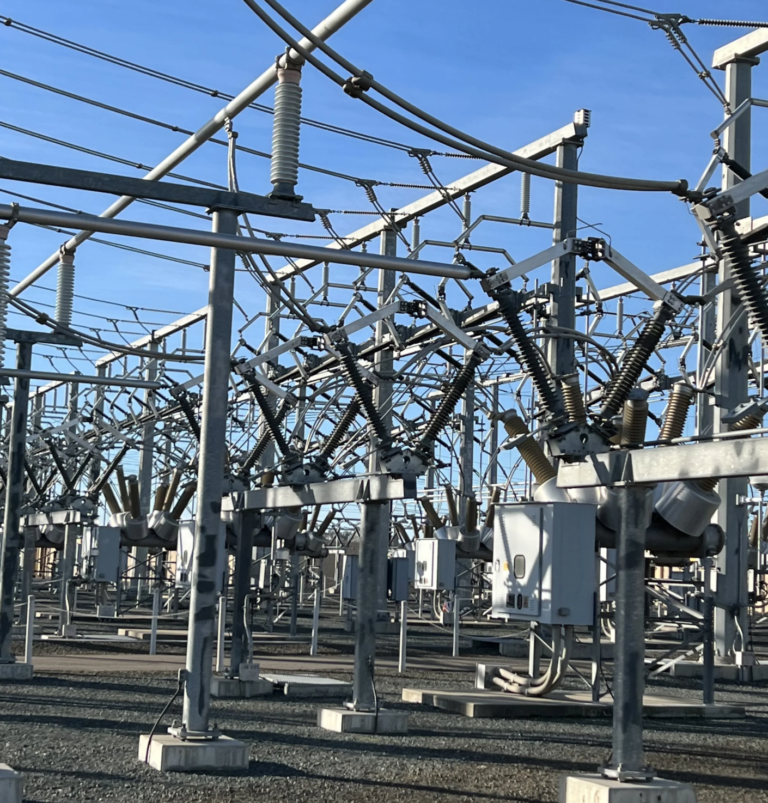
Condition-Based Maintenance for Substations: When It Beats Time-Based Service and How to Start
Condition-based maintenance schedules substation service around measured equipment condition. How it works, when it beats time-based service, and how to start.

Vacuum Breaker Leaking? What Vacuum Loss Really Means
Vacuum breakers do not leak gas, they lose vacuum. Learn the four failure modes that raise internal pressure, why an AC hipot only returns pass or…
Substation Battery Maintenance: PRC-005 & IEEE 450
Substation battery maintenance explained: NERC PRC-005 station DC supply intervals for VLA, VRLA, and Ni-Cad banks, what IEEE 450 and IEEE 1188 capacity tests prove, why…
Schedule an Infrared Thermography Survey
Whether you need an annual NFPA 70B survey or a targeted scan of equipment you are worried about, our technicians survey energized substations and switchyards nationwide.